What Are Men’s and Women’s Issues and How Do They Show Up?
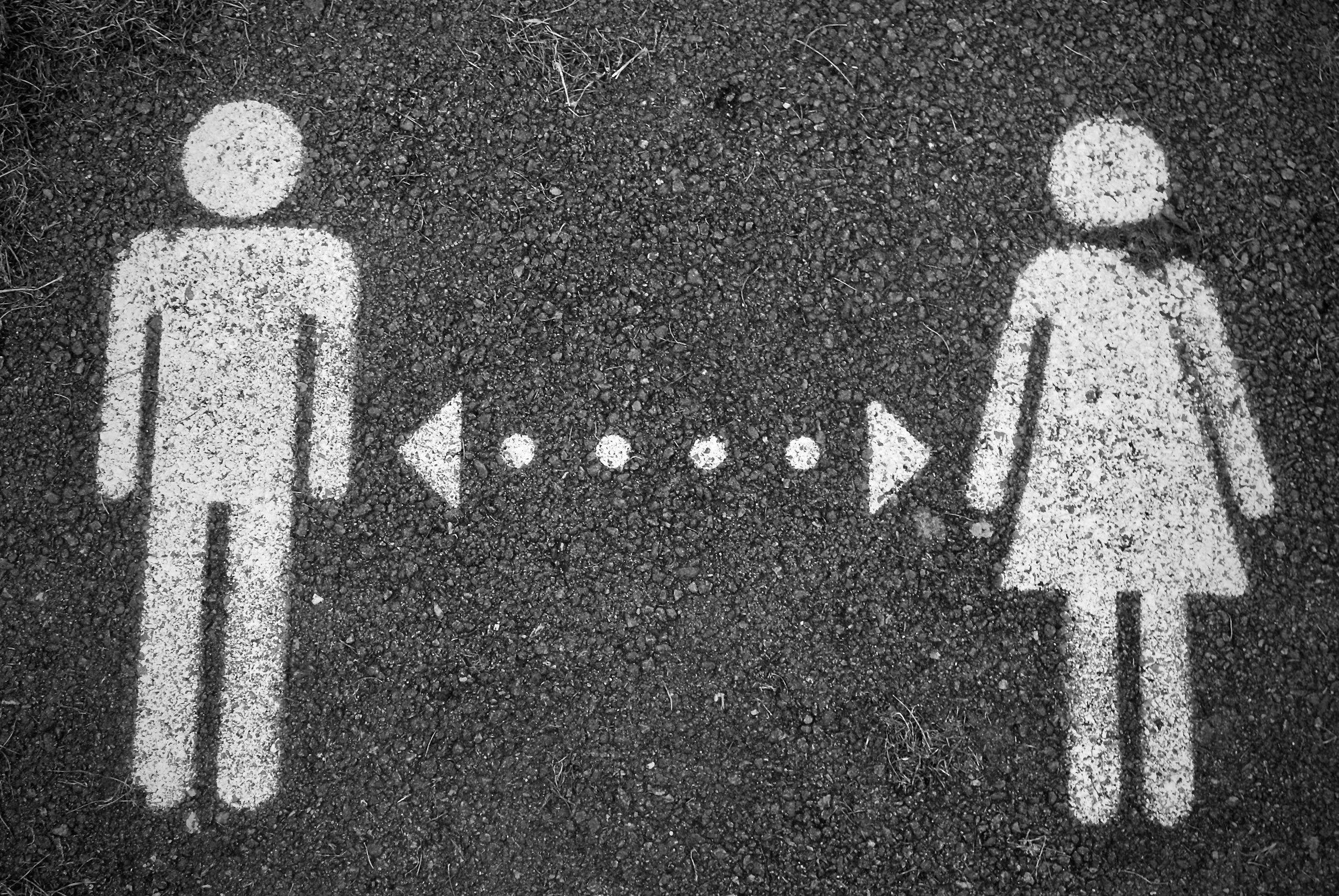
Men and women often face different pressures, expectations, and roles that shape how they experience stress, emotions, and relationships. These experiences are influenced by social norms, family dynamics, culture, and personal history.
Men’s issues may show up as:
Difficulty expressing emotions or asking for help
Feeling pressure to be strong, in control, or successful
Suppressing stress, sadness, or vulnerability
Anger, irritability, or emotional shutdown
Struggles with identity, purpose, or self-worth
Women’s issues may show up as:
Chronic self-doubt or people pleasing
Emotional burnout from caregiving roles
Difficulty setting boundaries without guilt
Perfectionism or fear of disappointing others
Navigating life transitions related to relationships, fertility, or identity
Many people feel stuck between who they are and who they feel they are expected to be.
How Therapy Helps with Men’s and Women’s Issues
Therapy provides a space to unpack these pressures without judgment or assumptions.
In therapy, we work to:
Explore how expectations have shaped your identity and coping
Build emotional awareness and expression
Strengthen confidence and self-trust
Develop healthier boundaries and communication
Reduce shame and self-criticism
Support growth through life transitions and role changes
Therapy is not about fitting into a role. It is about reconnecting with yourself in a way that feels authentic and sustainable.
What Interventions Might Be Used?
Therapy is tailored to your lived experience rather than gender stereotypes.
Depending on your needs, therapy may include:
Exploring early messages about emotions, strength, and worth
Cognitive and emotional strategies to shift unhelpful beliefs
Boundary setting and assertiveness skill building
Emotion regulation and stress management tools
Identity and values exploration
Relational work to improve connection and communication
The goal is to help you feel more grounded, confident, and emotionally balanced in your life and relationships.

How can I book a session?
1
Book online
Schedule your first appointment through our online booking system by selecting a day and time that works for you.

2
Get in touch directly
If you’d rather speak with someone directly, reach out by phone or email, and we’ll help you book your initial session.

Let us contact you
Short on time? Complete the contact form, and we will connect with you at a time that’s convenient for you.